

Each winter, emergency rooms quietly fill with patients who never expected a simple walk to turn into a fall. Icy sidewalks and snow-packed streets transform ordinary movement into a calculated risk, especially in cities where foot traffic rarely slows down for weather. What feels like a minor inconvenience can quickly become a serious hazard, leading to sprains, fractures, and long recovery periods.
Medical professionals have increasingly pointed to a surprisingly simple solution that does not involve expensive gear or specialized training. The so-called “penguin walk” has emerged as a practical method for reducing slips on ice. While it may sound like a novelty, the technique is grounded in biomechanics. By keeping the center of gravity aligned over the front foot and taking short, deliberate steps, walkers minimize the chance of losing balance.
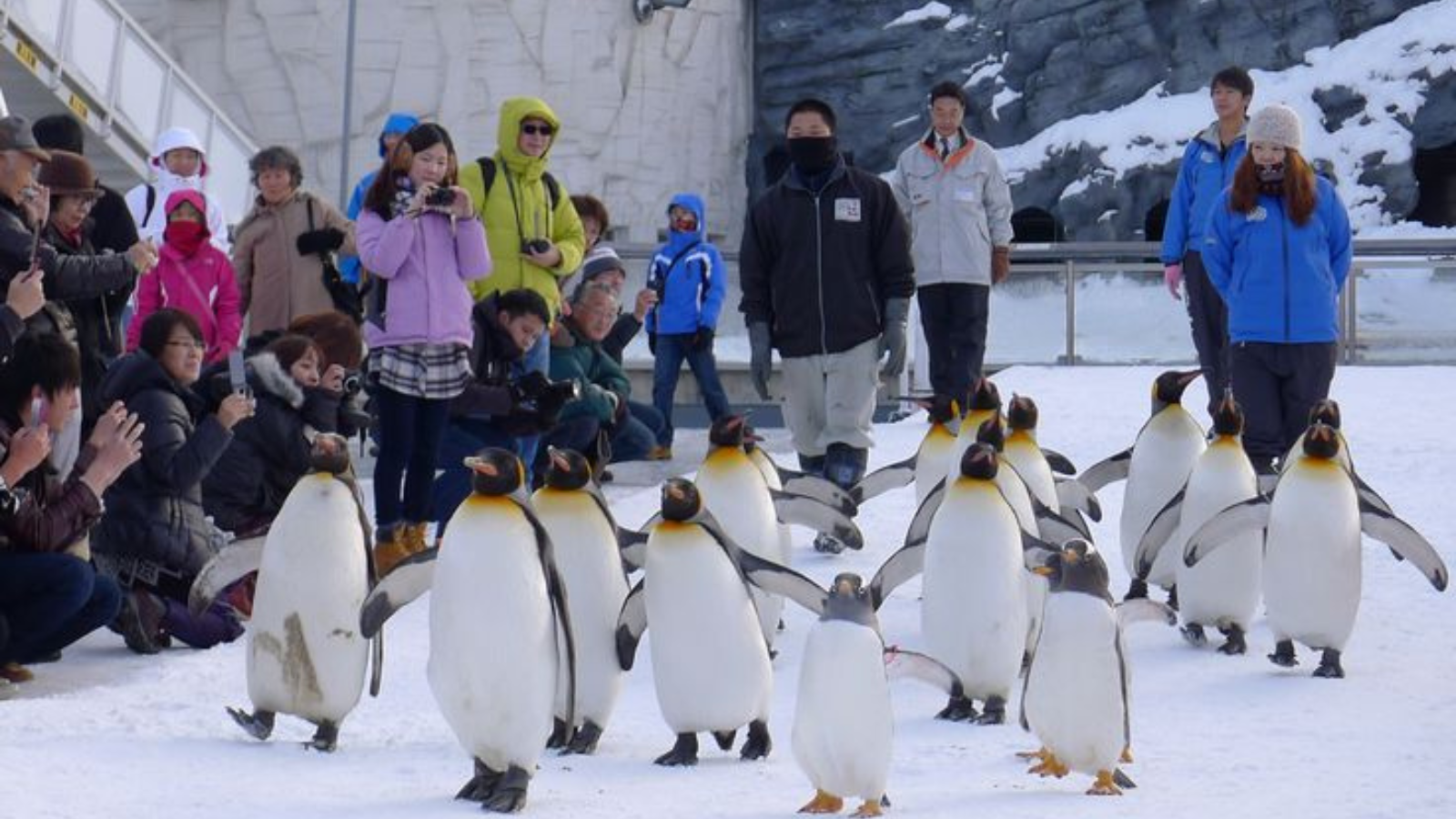
The concept draws from how penguins navigate icy terrain in their natural habitat. Their short strides and slightly outward stance create stability on surfaces where traction is minimal. Translating this into human movement provides a low-effort adjustment that can significantly reduce injury risk during winter months.
Adapting Movement for Urban Winters
In fast-paced cities, adjusting one’s walking style is not always intuitive. Commuters are conditioned to move quickly, often juggling phones, bags, and crowded sidewalks. When winter conditions hit, this привычный rhythm can become a liability. Slowing down feels counterproductive, yet it is precisely what safety demands.
Urban planners and public safety officials have begun emphasizing behavioral adaptation alongside infrastructure solutions like salting roads and clearing walkways. Campaigns in colder regions now include reminders to take smaller steps, wear appropriate footwear, and remain aware of surface conditions. The penguin walk fits neatly into this broader approach by offering an easy behavioral shift that requires no preparation.
There is also a psychological element at play. People often underestimate the danger of icy surfaces until they experience a fall themselves. Encouraging a simple, almost playful technique helps break that barrier. When advice feels accessible rather than alarmist, individuals are more likely to adopt it in their daily routines.
Small Changes, Significant Impact
The effectiveness of the penguin walk lies in its simplicity. Unlike specialized winter gear, which can be costly or inconvenient, this method is immediately actionable. It requires only a slight adjustment in posture and pace, making it accessible across age groups and physical abilities.
Healthcare data suggests that even modest reductions in falls can ease seasonal strain on medical systems. Winter-related injuries are not only common but also preventable in many cases. By promoting techniques like this, public health messaging shifts from reactive care to proactive prevention.
Workplaces and organizations are also taking note. Employers in regions with harsh winters are incorporating safety guidance into internal communications, particularly for staff who commute on foot. The ripple effect extends beyond individual well-being, reducing lost workdays and improving overall productivity during challenging weather conditions.
From Viral Advice to Seasonal Habit
What began as a piece of practical advice has gained traction through social media and news coverage, turning the penguin walk into a widely recognized concept. Short demonstrations and visual guides have helped normalize the technique, making it easier for people to understand and adopt.
However, the real value lies in turning this awareness into habit. Just as drivers adjust their behavior in rain or snow, pedestrians must develop seasonal instincts. Over time, these small adjustments become second nature, reducing the cognitive effort required to stay safe.
There is also an opportunity for broader cultural change. Winter safety does not have to rely solely on warnings and cautionary tales. By framing preventative measures in a relatable and even slightly humorous way, public messaging can resonate more effectively. The image of walking like a penguin may elicit a smile, but it also carries a serious message about personal responsibility and awareness.
As winter travel continues to challenge both individuals and cities, solutions do not always need to be complex. Sometimes, the most effective strategies are those that mirror nature’s own design. In this case, a simple shift in how we walk could make all the difference between a routine commute and an avoidable accident.