

Soft cotton brushing against growing skin, panels that stretch just enough without hurting, selecting maternity pants becomes more than choosing fabric. It becomes picking comfort, identity, dignity. For expectant people, comfort often clashes with style, budget, changes week by week. The perfect maternity pants cradle a bump, flatter shifting proportions, and let movement feel natural.
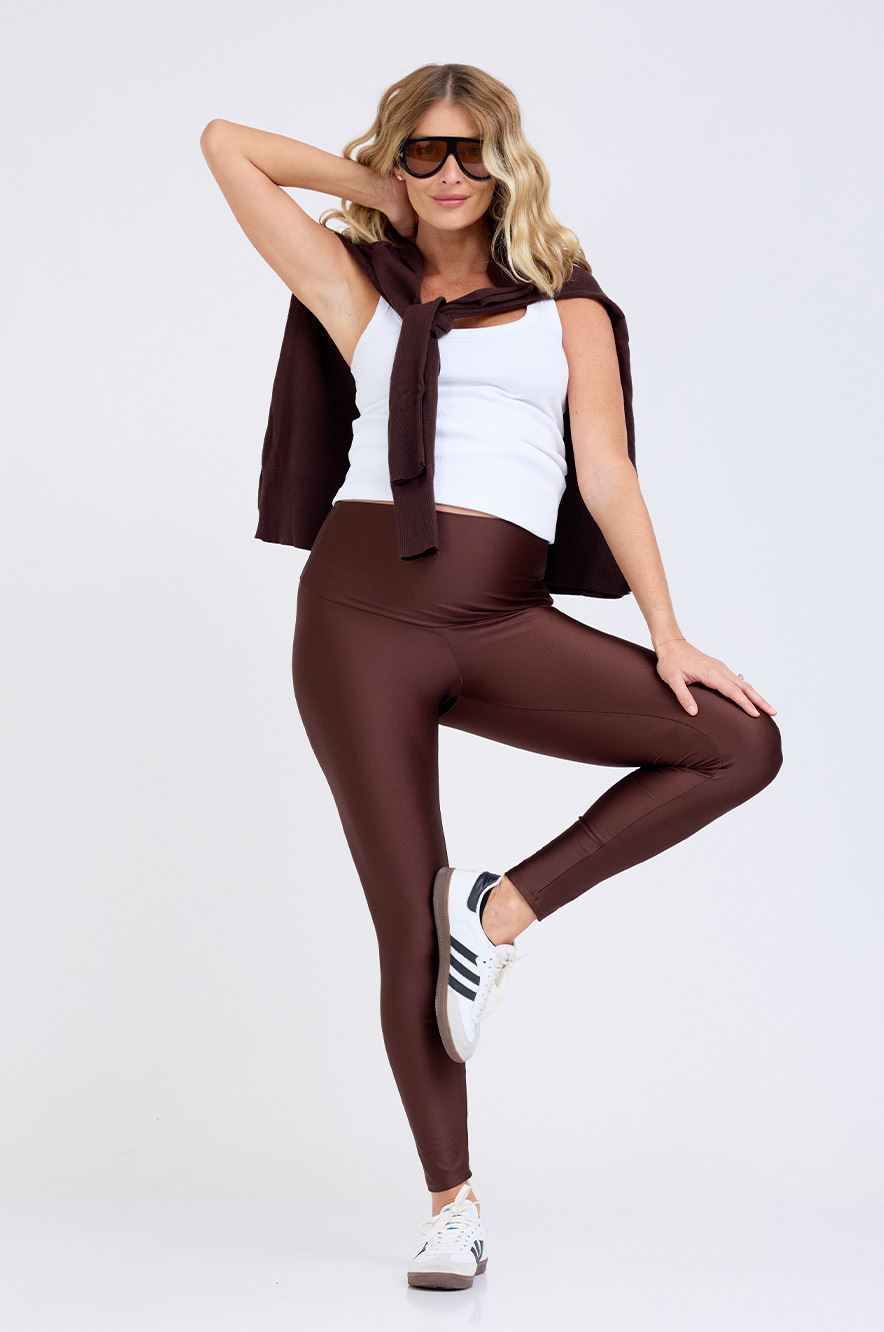
Avishag Arbel’s maternity pants collection steps into this terrain with designs made to both move and grow. The brand promises the softest denim and fabrics that move with expecting mother, keeping them looking amazing and feeling comfortable. Their maternity bottoms have discreet functional details so that the bump feels snug and secure.
Here are maps through choice: material, cut, style to guide toward that perfect pair. Along the way, examples from Avishag Arbel will show what “perfect” can look like.
The Fabric Story: Feel, Stretch, and Breath
Maternal bodies call for fabrics that move with them. Stretch denim or ribbed knit adapt gracefully from week to week. Blended fabrics: cotton with elastane or modal offer both flexibility and softness. Stretch here means steady support, not looseness, wrapping the body with ease as it grows.
The Riva Ribbed Maternity Pants show how ribbed knit offers soft, forgiving texture. In beige, black or grey melange, the ribs stretch over curves without slipping or cutting in. Contrast this with something like the Anne Maternity Pants in Olive or Black: more structured, crisp, giving shape but still offering comfort.
Breathability matters especially in warmer climates. Dark colors absorb heat; light ones reflect it. Choosing lighter tones like Summer Maternity Pants in Light Pink or Lori Maternity Pants in Cream can ease the heat. These options help reduce sweat, irritation, and that feeling of being wrapped too tight.
The Cut and Fit: Supporting Bump, Flattering Waist
Pants must cradle rather than compress. Waistbands play a starring role. Over-the-belly panels, under-belly bands, or side panels: each style interacts differently with posture, belly shape, and height. A tall belly might prefer full panel support; someone who leans forward may prefer something gentler.
The Genesis Maternity Pants in Black offer an elegant straight leg that balances a full panel front: sleek, capable of carrying a bump without sagging that can be used day to night. Fit-and-flare styles like the Fit and Flare Maternity Pants in Tobacco widen at the calves or knees, giving room for movement while keeping waist and hip areas defined. Wide leg designs such as Harper Wide Leg Plissé Maternity Pants free the lower body from restriction. Those wide plissé folds give air space and grace.
Length plays a role too. Full-length pants can drag or ride; ankle-length or crop versions avoid that. If choosing a full leg, check that pants meet the foot comfortably when standing; if shorter styles appeal, they must sit well when walking without flicking or riding up.
Style and Mood: Varieties of Feeling
Pants color, texture, print, detail tell stories. Sometimes strength comes in solid black, sometimes in animal print, sometimes in subtle ribbing. It’s not just what suits the body, but what suits the day’s mood.
Animal prints appear in the line: Sandy Maternity Pants in Grey Leopard or Suzan Maternity Pants in Leopard Print invite boldness. These are pieces that say “I still own this feel of wildness” even while growing. For calmer days, neutrals like Rafael Maternity Pants, or classic Allen Maternity Pants whisper quiet dignity. High-contrast details like stripes: Zoey Maternity Pants or Dorian Maternity Pants can elongate the leg visually or draw the eye upward, balancing shoulders.
Texture adds voice too. Plissé, ribbed, smooth sateen each surface plays differently in light, with accessories, with movement. Satin or plissé wide-leg pants like the Harper line lift evening looks. Matte ribbed pants feel softer for home, quiet errands, or rest days.
When Fabrics Endure, Comfort Stays Constant
Pregnancy lasts months, shapes shift often. A pants that costs little but tears or loses elasticity quickly becomes more expensive than one built to last. Seams should be stitched for stretch; panels should rebound; colors should resist fading. Pilling, thinning in knees, stretched-out waistbands are signs a pair won’t carry through all trimesters.
Durability ties back to stitching, wash care, and fabric blend. Choosing solid darks may hide stains but show lint; lighter tones hide dust but show dirt. Prints may camouflage small marks. Following care instructions: gentle wash, drying flat if needed will lengthen life span dramatically. Pants that go from trimester two through postpartum are wins.
Shared between comfort and style is honesty about what pregnant bodies need. Choosing maternity pants starts with asking what feels good, what supports belly growth, what suits daily movement. Avishag Arbel delivers many answers: ribbed beige or grey pants that stretch and nestle the bump, wide plissé styles that flow, prints that echo personality, neutrals that carry every day.
Once the right fabric, cut, style, and durability coalesce, a person does not just wear maternity pants, they inhabit them. Every step becomes softer, every turn less awkward. This synergy, that moment when style honours the body’s change, and comfort defines the perfect maternity pants.