

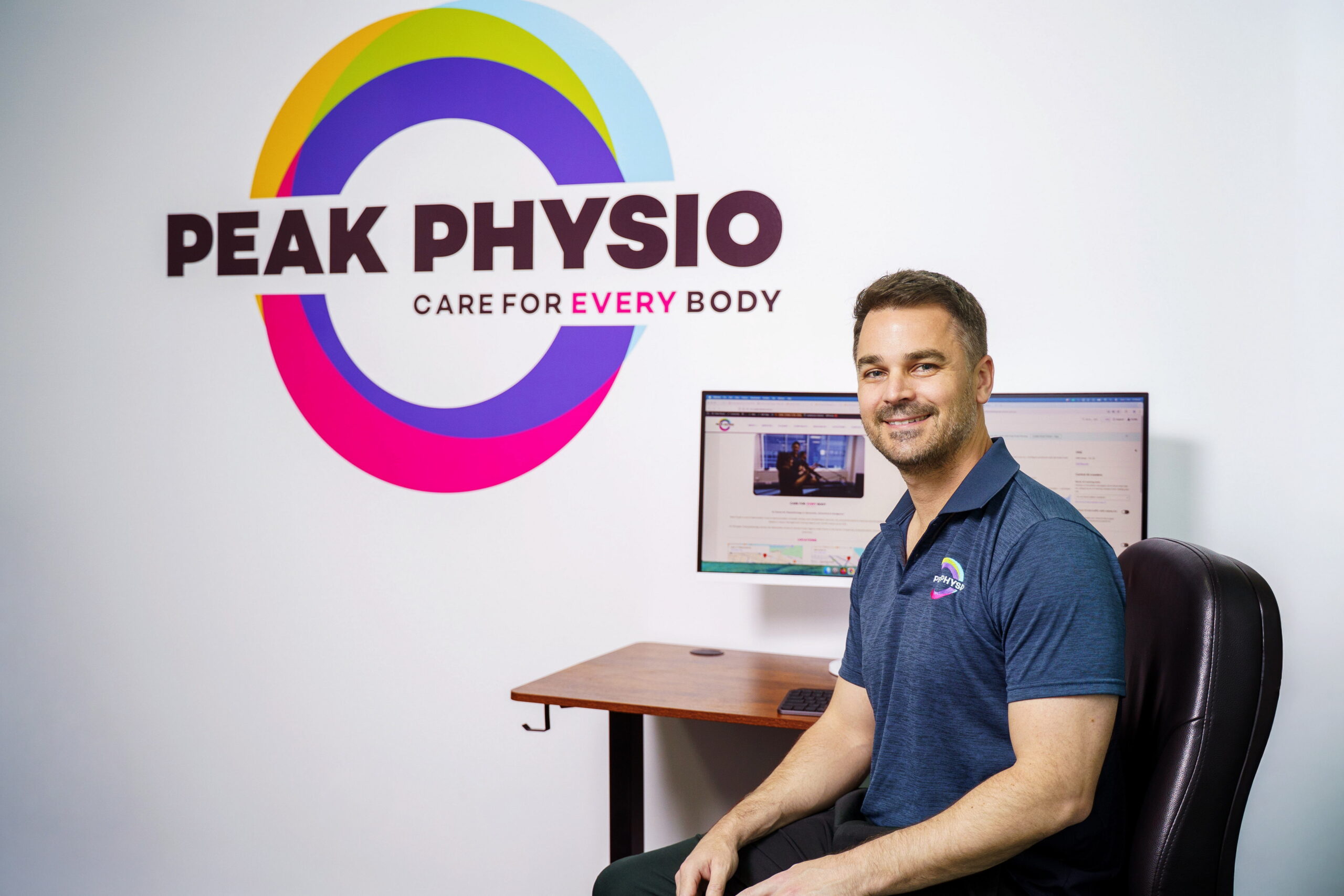

Physiotherapy often lives in two very different rooms. One is the treatment space, where patients search for relief and movement. The other is the classroom or webinar screen, where clinicians scramble to stay current. Arcane Physio sits between those rooms, and its managing director, Laith Cunneen, moves back and forth with a kind of restless intent that feels more like a founder’s mission than a side project.
Arcane Physio emerges from his day-to-day life at Peak Physio in New South Wales, where growth has been brisk and expectations from patients keep climbing. Instead of waiting for traditional providers to catch up, he has taken the educator-operator path, turning years of clinical practice, web development experience, and business training into a platform meant for working therapists who have little spare time and high standards.
Building an Education Engine from the Clinic Floor
Arcane Physio did not start as a global product pitch. It began as an internal solution, born inside Peak Physio’s own clinics when Cunneen and his team grew tired of hopping between subscriptions, journals and social feeds just to locate useful material for the week’s caseload. “We built the platform for ourselves because we weren’t happy with the alternatives on the market. We couldn’t find everything we wanted in one place and we were spending hours digging for interesting and useful content.” That irritation, shared by many clinicians, eventually hardened into a plan.
Peak Physio now generates millions in annual revenue, with upward of 20,000 consultations each year, and that clinical engine feeds Arcane Physio with the real-world questions clinicians wrestle with daily. Instead of detached academic modules, the platform leans into digestible lessons drawn from what therapists actually see in their treatment rooms: persistent low back pain that defies simple protocols, athletes who expect quick comebacks, and older adults who need strength work explained in plain language.
Arcane Physio’s scope now stretches beyond Australia, targeting physiotherapists in the United States, Canada and the United Kingdom who carry similar caseloads and similar time pressures. Content is structured for an international audience, keeping jargon light while still respecting the science of movement, tissue healing and pain. The platform focuses on recurring membership rather than one-off courses, a subscription model that mirrors how clinicians learn in reality: in short bursts, squeezed between patients, paperwork and family.
Cunneen’s academic trail reads almost improbable for a single practitioner: degrees in Exercise Science, Physiotherapy, Pain Management, Cyber Security and an Advanced Management Program from Melbourne Business School. Those paths thread together inside Arcane Physio, where clinical reasoning, clever digital infrastructure, and business thinking collide. The platform must offer comprehensive educational depth and still feel intuitive for clinicians who may open it on a tired Friday night.
The Clinician-Operator Mindset
Most education brands in physiotherapy sit at one extreme: academic institutions, or content libraries run like media sites. Arcane Physio is helmed by someone who still runs clinics day-to-day with revenue growth north of thirty percent. That dual role shapes how he views education: theory matters, but practicality rules. If a module does not help a therapist make a better decision in a 30-minute appointment, it misses the mark.
Cunneen operates inside the intersection of health, business and technology, and he speaks about physiotherapy less like a narrow profession and more like a global problem-solving craft. Musculoskeletal pain ranks among the top causes of disability worldwide, and demand for therapists continues to grow as populations age and chronic health issues rise. Against that backdrop, he sees poorly curated education as an unforced error. Clinicians drown in information, yet still hunt for material that links back to real cases.
Arcane Physio’s early content library grew from Peak Physio’s internal needs: onboarding new therapists, sharpening experienced staff and aligning the entire team around shared standards of care. When internal clinicians reported that the system made their learning easier and more engaging, the prospect of opening the doors to external subscribers became obvious. It turned an internal tool into a public offering, but the mindset stayed the same: busy clinicians first, gloss second.
Where many platforms chase academic prestige, Arcane Physio leans on the credibility of its clinical roots. Peak Physio’s patient feedback, rapid growth and strong online presence serve as evidence that the philosophy behind the education platform holds up in real-world practice. Clinicians landing on the site are not just reading theory from afar; they are tapping into the playbook of a network that treats patients every day and refines its teaching based on outcomes, not marketing.
Physiotherapy’s Next Chapter: From Content to Judgment
Physiotherapy stands at an interesting moment, caught between rising tech hype and old-school manual therapy traditions. Cunneen sits in the middle of that tension. With training in cyber security and business, he watches new tools arrive with both curiosity and caution. Devices, data trackers and AI-driven platforms promise quicker assessments and more precise programs, yet the core of physiotherapy still hinges on human judgment: when to load a tendon, how to handle a fearful patient, when to push and when to back off.
Global data suggests that musculoskeletal pain drives hundreds of millions of clinic visits every year, with back and neck issues among the most frequent reasons people seek care. Those numbers hint at a massive demand for therapists who can think clearly under pressure, communicate well and adapt research to messy, imperfect real life. Arcane Physio aims to serve that need by sharpening judgment rather than flooding clinicians with more raw data.
For Cunneen, the clinician-operator identity matters. He spends part of his week managing Peak Physio’s growth, from staffing to systems, and another part refining Arcane Physio’s curriculum for an international cohort. That split role keeps him close to the real constraints therapists face: appointment gaps, regional guidelines, differing insurance systems, cultural expectations. Education that ignores those constraints remains abstract. Education that respects them can move the needle on outcomes and career satisfaction.
He speaks frequently about the gap between what early-career therapists learn at university and what they confront in their first busy job. Many enter the field with strong theoretical grounding yet feel unprepared for the emotional weight of pain that will not settle, the complexity of co-existing conditions, or the business realities of modern clinics. An education platform rooted in lived clinical operations, he believes, can help bridge that gap and support therapists through those crucial first years, while still offering depth for seasoned practitioners hungry for refinement.
Arcane Physio continues to expand its library and global reach, yet its core story remains disarmingly simple: a clinician-manager grew tired of scattered, unsatisfying resources and built something for his own team. The decision to offer it to the wider profession turns a private solution into a public resource, but the driving force stays the same—make learning sharper, faster and more relevant for the people whose decisions shape patient lives every day.
How do you think clinician-led platforms like Arcane Physio could change the way physiotherapists around the world keep their skills sharp over the next few years?