



In an industry built on reinvention, the most radical move in fashion this year may not be a silhouette or a fabric, but a philosophy. In a corner of the North American market dominated by algorithm‑tested aesthetics and trend cycles measured in weeks, SKYE Apparel, a young e‑commerce brand founded by Canadian entrepreneur Michelle Clenahan, has been staking a claim on an older idea: that clothes mean more when they are extensions of a person rather than a mood board. The company sells everything from outdoor gear to pet accessories and everyday fashion pieces, but the through line, Clenahan insists, is the act of being unapologetically oneself in a system that rewards mimicry.
That stance has gained new resonance as the global apparel business emerges from a turbulent half‑decade, with a market of roughly 1.5 to 1.77 trillion dollars in 2023–2024 projected to approach 1.8 to 2.3 trillion by 2030 on a little over 4% annual growth. In this crowded, low‑margin landscape, “authenticity” has become a default buzzword, but for SKYE Apparel it remains the organizing principle of both its origin story and its effort to navigate a sector in flux.
The question that trails Clenahan into interviews and investor calls is the same one facing many independent labels: in a trillion‑dollar industry hurtling toward 2030, can a business built on personality and principle survive the gravitational pull of scale, speed and sameness? Her answer, delivered through personal history and a refusal to chase trends, has turned SKYE into a small but telling case study in what “being yourself” looks like when it meets the hard economics of fashion.
A Market Hungry For “Real”
The timing of SKYE Apparel’s rise is no accident. After the pandemic reshaped shopping habits, online apparel sales accelerated, with digital channels becoming one of the fastest‑growing slices of the market and forecast to outpace overall apparel growth through the end of the decade. At the same time, the language of sustainability, inclusivity and identity seeped into campaigns and runway notes, as large brands tried to align with younger consumers skeptical of corporate polish.
Within that churn, a parallel story has unfolded: the search for brands that do more than echo focus‑grouped values. Analysts tracking consumer behavior in 2024 and 2025 point to a measurable shift toward labels perceived as founder‑driven, transparent and community‑oriented, particularly in North America and Europe. Rather than treating clothing as disposable, a growing slice of shoppers treats purchases as a form of self‑definition, scrutinizing not just price and style, but the narrative behind the logo.
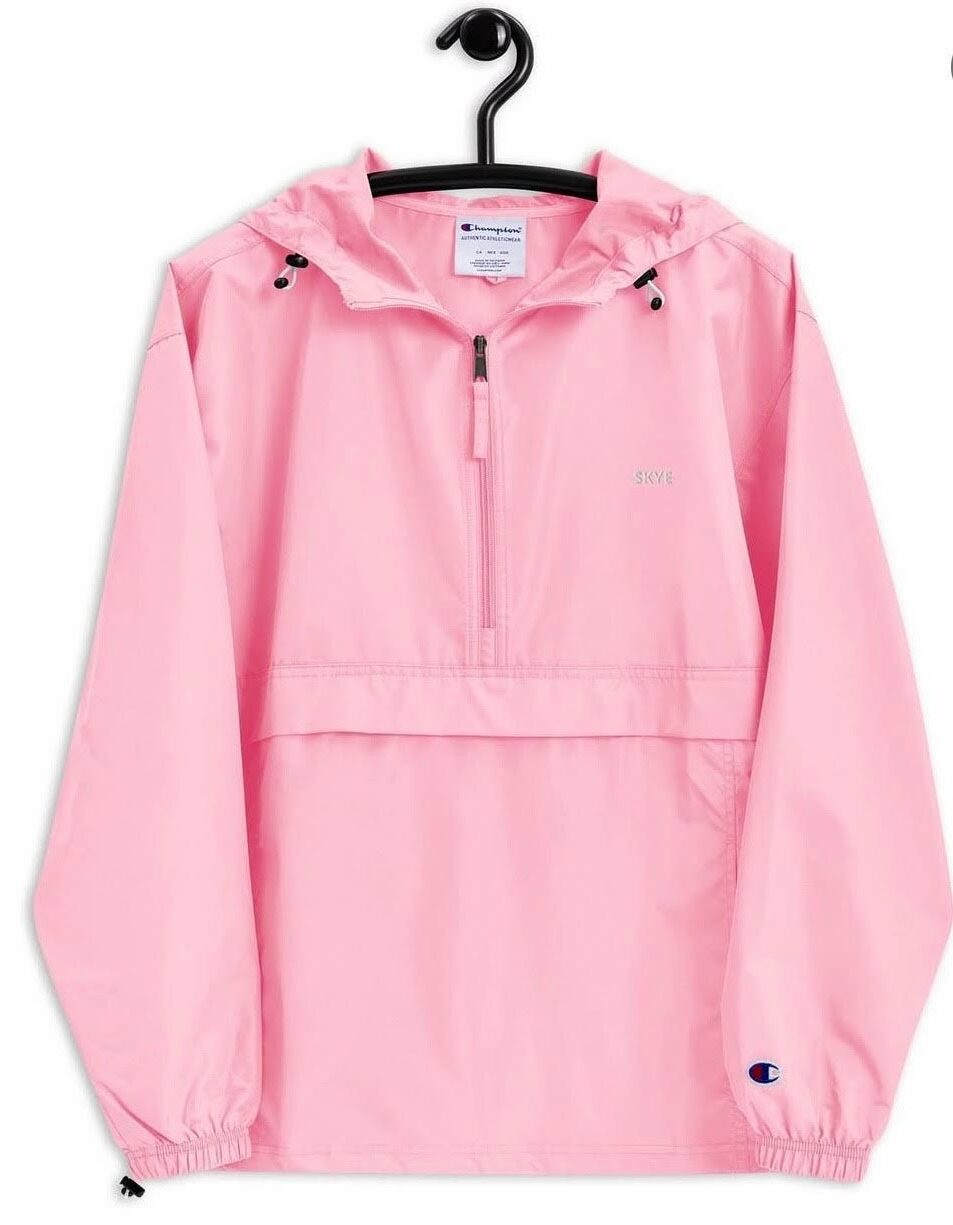
SKYE Apparel entered this environment not as a monoline fashion house, but as a deliberately eclectic marketplace: outdoor products, pet accessories, home items, sportswear, casual apparel. That breadth reflects how many consumers now live and shop—a blend of functional needs and expressive wants on the same digital shelf. From the outset, the company emphasized durability, affordability and reliability alongside style, presenting its catalog as an answer to fast‑fashion fatigue, even as it operates on the same e‑commerce platforms that helped create that churn.
The company’s first breakout item was not a dress or a handbag, but an allergen‑focused dog collar that sold out within seconds on Amazon—a reminder that in the modern apparel economy, the boundaries between fashion, lifestyle and utility are porous. That early success helped bankroll expansion into other verticals while reinforcing a core message: the brand would grow by listening to its customers rather than to the season’s mood board.
Authentic Leadership In A Copy‑Paste Era
If SKYE Apparel has a differentiator in a market where tens of thousands of new sellers appear each year, it is the visible presence of its founder. On social channels, where the brand has amassed more than 200,000 followers, Clenahan appears not as a distant executive but as a host—talking about the pressures of building a company, the grief of losing her mother and the meaning of naming the business after her. Her mother, Anita, worked under the name “Skye” in her own venture before her death in 2010, and the butterfly symbol in the brand’s iconography functions as both memorial and logo.
In conversations with her team, Clenahan often frames her mother’s story as a compass rather than a hook, arguing that the company grows stronger the closer it stays to its original values and to the people it serves, rather than to whatever trend is dominating social media at the moment.
That approach runs counter to a dominant playbook in 2024–2025, where many mid‑tier fashion labels allocate growing portions of their marketing budgets to influencer partnerships and paid endorsements. Spending on social‑media‑driven campaigns in apparel and accessories has surged, with projections suggesting double‑digit annual growth in influencer marketing out to 2030. The standard strategy is simple: buy visibility, hope for conversion. SKYE’s model, by contrast, leans on slower mechanics—word of mouth, repeat customers and a curated digital presence that prioritizes community over virality.
Clenahan does not present her approach as the fastest route to scale, but as a more resilient one, emphasizing that the company must be able to survive shifts in algorithms by building enough trust that customers actively seek the brand out.
A Small Brand In A Big Shift
The wider apparel landscape that SKYE Apparel inhabits is defined by consolidation at the top and fragmentation at the bottom. Global giants continue to dominate market share, while countless micro‑brands fight for slivers of attention across storefronts and marketplace listings. By 2025, online retail had become an indispensable pillar of apparel distribution, with forecasts indicating that digital channels will capture an expanding share of the roughly 1.8 trillion‑dollar market by 2030. Within that, segments such as decorated and customized apparel—where personality and design specificity command a premium—are projected to grow even faster than the broader sector.
Against that backdrop, SKYE’s appearance and participation in Vancouver Fashion Week —a showcase that has grown into one of North America’s more prominent fashion platforms—signal more than a marketing milestone. They mark the entry of a small, digital‑first brand into a physical ecosystem that has traditionally favored heritage labels and runway‑trained designers. Vancouver Fashion Week itself has become a symbol of the industry’s shift toward diversity and international cross‑pollination, hosting emerging names from several continents alongside Canadian talent.
For SKYE Apparel, this convergence of online community and offline visibility is part of a broader bet that the next phase of growth in fashion will reward brands able to move fluidly between screens and streets. While the company’s current geographic footprint is largely confined to North America—Canada, the United States and Mexico, primarily through Amazon and Shopify—its ambitions are global. The decision to remain focused on these markets in the near term reflects logistics and customer‑service realities, but it also allows the company to deepen its relationship with a core audience before expanding.
Clenahan is candid about the tension between her ideals and the demands of scaling in a sector where efficiency and volume often trump nuance. The apparel industry’s projected growth to 2030 rests partly on faster production cycles and expanded consumption in emerging markets, trends that sit uneasily with calls for intentional, authentic buying. SKYE’s answer has been to emphasize durability and versatility—products designed to be used, not merely displayed—while experimenting cautiously with new categories rather than chasing every opportunity that presents itself.
In that sense, the company offers a microcosm of a larger question facing fashion as 2030 approaches: can an industry predicated on constant newness make room for brands that ask customers to slow down and choose items that reflect their enduring selves?
Toward the end of a recent planning session, as her team debated product roadmaps and upcoming campaigns, Clenahan returned to the theme that underpins her brand and her leadership, arguing that the real risk in fashion is losing the thread of a company’s own story and that SKYE Apparel should remain grounded in the belief that people should not have to pretend to be someone else just to belong.