
The Trump administration and U.K.-based pharmaceutical giant AstraZeneca announced a landmark agreement Friday aimed at lowering prescription drug costs in the United States, marking another step in the administration’s ongoing push to make American medications more affordable.
Under the deal, AstraZeneca will sell its drugs directly to Medicaid patients at prices no higher than those offered in other developed countries a strategy President Donald Trump has termed “most-favored nation” pricing. These discounted medications will be available on a forthcoming government platform, TrumpRx.gov, with primary care drugs set to appear early next year. Additionally, new prescription medications from AstraZeneca will also adopt most-favored nation pricing, according to Centers for Medicare & Medicaid Services (CMS) Administrator Mehmet Oz.
The agreement mirrors a similar deal recently struck with U.S. pharmaceutical giant Pfizer, signaling the administration’s broader strategy to negotiate lower drug prices while incentivizing domestic investment. As part of the pact, AstraZeneca will be exempt from U.S. pharmaceutical tariffs, echoing Pfizer’s three-year tariff carveout contingent on continued investment in U.S. manufacturing.
AstraZeneca CEO Pascal Soriot underscored the company’s ongoing commitment to the American market, highlighting a previously announced plan to invest $50 billion in the U.S. by 2030. Further details of these investment plans were unveiled Friday, coinciding with the White House announcement.
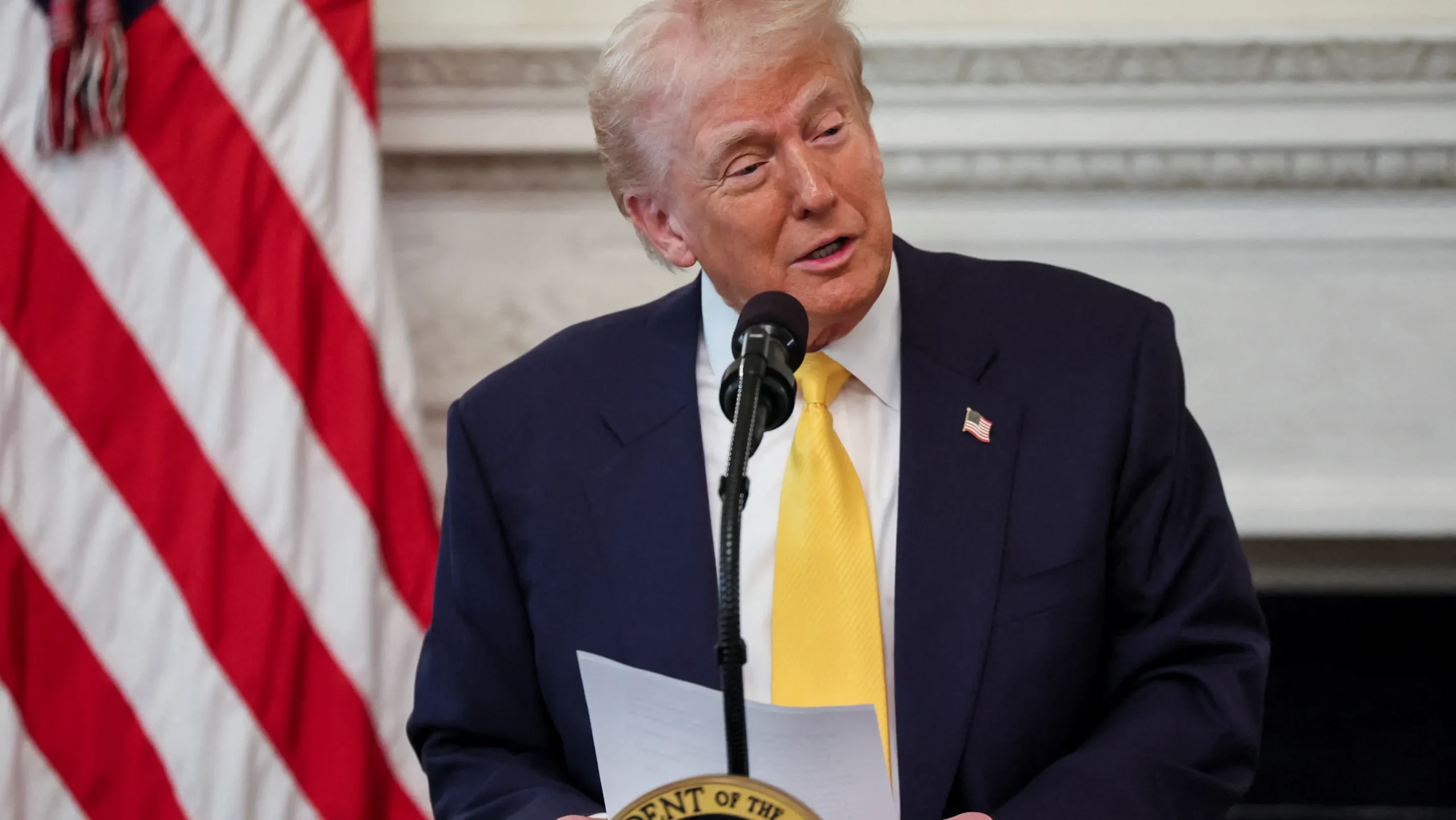
President Trump, administration officials, and Soriot jointly unveiled the agreement at a White House event, emphasizing the administration’s aggressive push to rein in high drug costs—a top concern among voters across the political spectrum. Recent reports indicated that soaring medicine prices in the U.S. were significantly higher than in comparable developed countries, prompting mounting public pressure on both lawmakers and industry leaders.
“Most of them are here because of tariffs,” President Trump remarked, noting that pharmaceutical companies have increased U.S. investments partly in response to potential tariff threats. In recent months, the administration had proposed tariffs as high as 250% on pharmaceutical imports, prompting several major drugmakers to announce substantial U.S. expansions and manufacturing commitments.
The Trump administration has suggested that additional pricing agreements with other major drugmakers could follow in the coming weeks, continuing its “most-favored nation” approach as a central pillar of its health care strategy.
This move is part of a broader effort by the Trump administration to reduce prescription drug prices, improve affordability for Medicaid patients, and encourage domestic manufacturing in the pharmaceutical sector. The initiative has drawn attention from both domestic and international stakeholders, highlighting the interplay between trade policy, domestic industry incentives, and healthcare costs.