

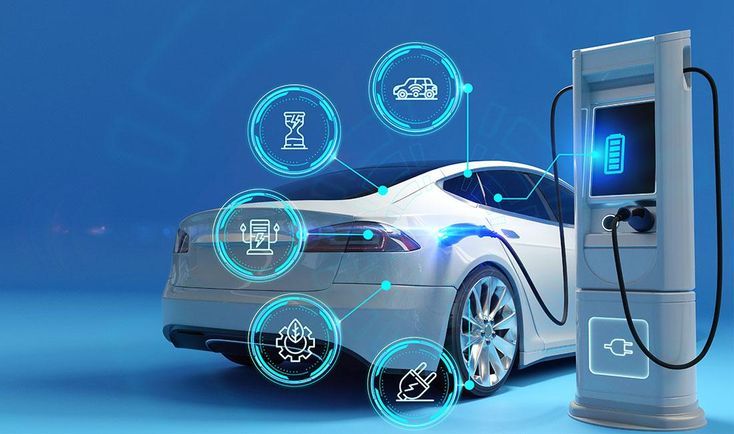

Not long ago, electric vehicles in Australia were synonymous with luxury. Early adopters often paid a premium for innovation, with sleek designs and cutting-edge features reserved for those willing to spend well above the average car budget. Today, that narrative is changing. A growing number of manufacturers are introducing more affordable electric options, signaling a shift toward accessibility rather than exclusivity.
This transformation is being driven by a mix of global competition and local demand. As more Australians become environmentally conscious and fuel prices remain unpredictable, the appetite for cost-effective electric mobility continues to grow. Carmakers are responding by introducing entry-level models that prioritize practicality without sacrificing essential features.
Government incentives and evolving infrastructure are also playing a role. While Australia’s EV adoption has historically lagged behind other developed markets, recent policy adjustments and investments in charging networks are gradually removing barriers. For many consumers, the question is no longer whether to switch, but which affordable model to choose.
The New Generation of Budget EVs
Several models have emerged as frontrunners in the race to deliver value-driven electric vehicles. Brands once considered niche are now gaining mainstream attention by offering competitive pricing alongside respectable driving ranges and modern design.
Vehicles such as compact hatchbacks and small SUVs are leading the charge. These models cater to urban drivers who prioritize efficiency and convenience over high performance. Despite their lower price points, many still offer advanced infotainment systems, driver-assistance technologies, and surprisingly refined interiors.
Chinese automakers, in particular, have disrupted the market. By leveraging scale and aggressive pricing strategies, they are challenging traditional automotive giants. Their presence has not only increased competition but also pushed established brands to rethink their pricing structures, ultimately benefiting consumers.
Balancing Cost and Capability
Affordability, however, often comes with trade-offs. While entry-level EVs are becoming more appealing, buyers must still consider factors such as battery range, charging speed, and long-term durability. Cheaper models may offer shorter ranges, which can be limiting for drivers who frequently travel beyond city limits.
That said, technological improvements are narrowing these gaps. Battery efficiency continues to improve, allowing even budget-friendly models to achieve ranges that meet the needs of most daily commutes. For many Australians, especially those living in metropolitan areas, these vehicles offer more than enough capability.
Charging infrastructure remains a key consideration. While urban centers are seeing steady growth in public charging stations, regional areas still face limitations. This uneven distribution can influence purchasing decisions, particularly for those who rely on long-distance travel. Still, the trajectory is clear, and infrastructure development is expected to accelerate alongside rising EV adoption.
A Glimpse Into the Future of Mobility
The emergence of affordable electric cars marks a turning point in Australia’s automotive landscape. What was once a niche market is steadily becoming mainstream, reshaping how consumers think about transportation. Affordability is no longer a distant goal but an increasingly tangible reality.
Looking ahead, the competition among manufacturers is likely to intensify. As production scales up and battery costs continue to decline, prices are expected to fall further. This could open the door for even more Australians to transition to electric vehicles, accelerating the country’s shift toward sustainable mobility.
For now, the growing availability of budget-friendly EVs offers a compelling glimpse into the future. It is a future where electric driving is not defined by luxury, but by practicality, efficiency, and widespread accessibility. In this evolving landscape, affordability may well become the most powerful driver of change.