
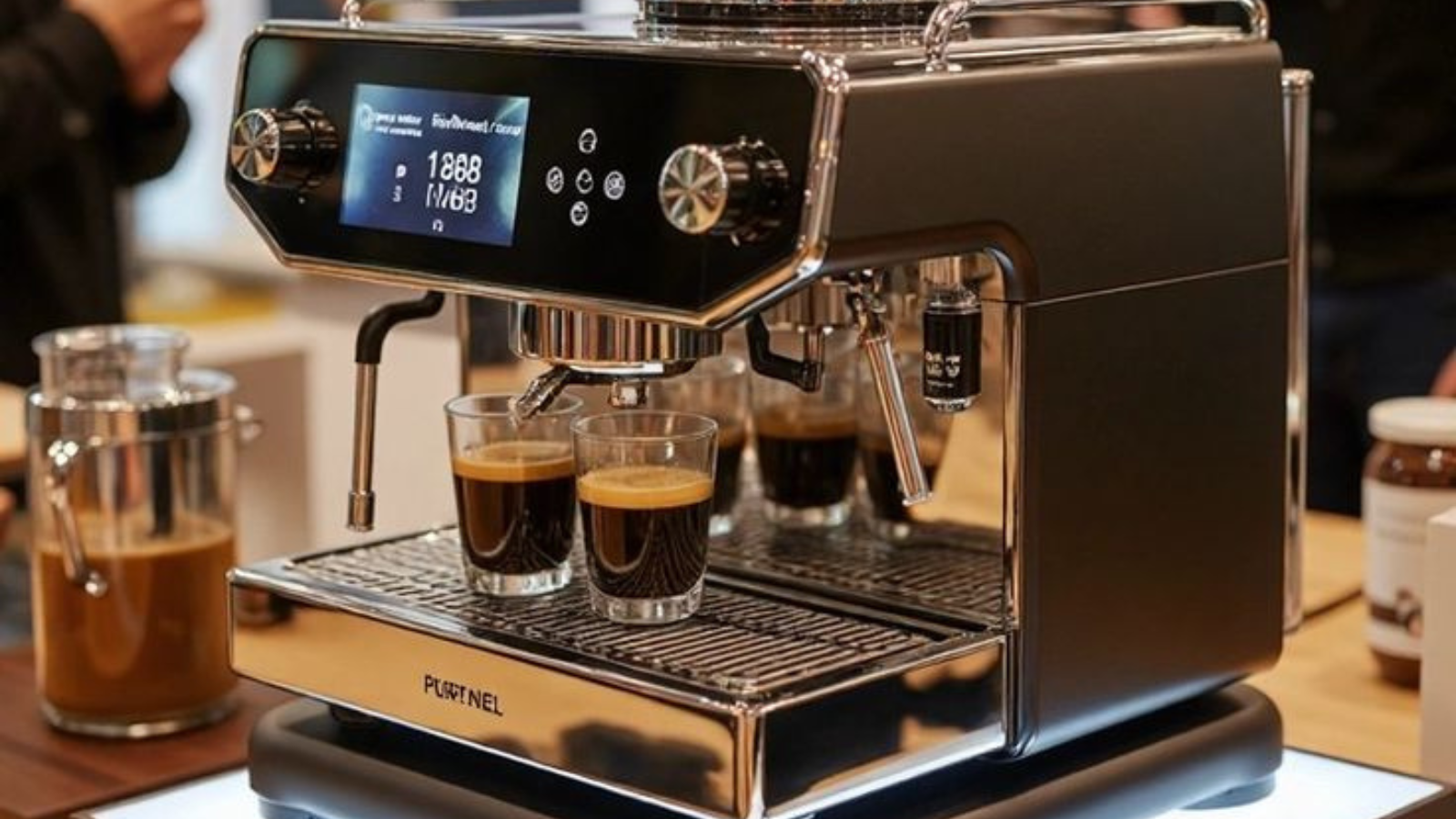

On a quiet street in Stockholm, a small café is drawing attention not for its pastries or décor, but for what it lacks. There is no barista behind the counter, no cashier taking orders, and no staff moving between tables. Instead, an artificial intelligence system orchestrates every part of the experience, from brewing coffee to managing inventory.
The concept feels almost cinematic, yet it is very real. Customers walk in, place orders through a sleek interface, and watch as robotic systems prepare their drinks with precise consistency. The absence of human interaction is not framed as a loss, but as an experiment in efficiency, personalization, and the evolving role of technology in everyday life.
For Stockholm, a city known for embracing innovation, the café represents more than novelty. It is a glimpse into how urban spaces might adapt as automation becomes more sophisticated and integrated into daily routines.
How The Technology Powers The Experience
Behind the scenes, the café operates through a network of AI-driven systems that communicate in real time. Sensors track foot traffic, order patterns, and even customer preferences, allowing the system to anticipate demand and adjust operations accordingly. Coffee machines calibrate themselves based on usage data, ensuring consistency in every cup.
The ordering process is designed to be intuitive. Customers interact with a digital interface that remembers previous orders and suggests options based on time of day or seasonal trends. Payment is seamless, often integrated with mobile platforms, eliminating queues and reducing friction in the customer journey.
What sets this experiment apart is not just automation, but adaptability. The AI does not simply follow programmed instructions. It learns continuously, refining workflows, minimizing waste, and even adjusting menu offerings based on consumption patterns. This dynamic responsiveness is what transforms the café from a novelty into a testbed for future retail environments.
Redefining Service And Human Connection
While the technology is impressive, it raises a central question about the nature of service. Cafés have traditionally been social spaces, places where human interaction is as important as the coffee itself. By removing staff, the Stockholm experiment challenges that convention.
Some customers find the experience refreshing. The absence of queues and small talk creates a sense of calm efficiency, particularly appealing to those seeking speed and convenience. Others, however, note the lack of warmth that typically defines café culture. Without a barista’s greeting or a familiar face behind the counter, the experience can feel transactional.
Developers behind the project acknowledge this tension. Rather than replacing human connection entirely, they position the café as an alternative model. In their view, automation can coexist with traditional spaces, offering different experiences tailored to varying preferences. The goal is not to eliminate human roles, but to explore where technology can enhance or streamline them.
A Glimpse Into The Future Of Urban Retail
The implications of Stockholm’s AI café extend beyond coffee. As cities grapple with rising costs, labor shortages, and shifting consumer expectations, automated solutions are becoming increasingly attractive. Retailers are watching closely, viewing the café as a prototype for broader applications in hospitality and service industries.
There are economic considerations as well. Fully automated operations can reduce overhead costs, but they also raise questions about employment and the future of service work. Policymakers and industry leaders will need to balance innovation with inclusivity, ensuring that technological progress does not come at the expense of workforce stability.
For now, the café remains an experiment, but one with symbolic weight. It captures a moment where technology is not just supporting human activity but actively reshaping it. Whether this model becomes mainstream or remains a niche concept, it signals a shift in how we think about everyday experiences.
In Stockholm, a simple cup of coffee has become a window into the future. And as customers step into this AI-run space, they are not just ordering a drink. They are participating in a broader conversation about what comes next.