

For most of its modern history, New York Fashion Week has functioned like a locked room. You could hear the music through the walls, glimpse flashes of light through a crack in the door, maybe catch a look afterward in the pages of a magazine – but entry itself was reserved for those already deemed worthy. The invitation was never just paper. It was a quiet affirmation of who belonged and who did not.
That architecture of exclusion was not accidental. Fashion, like so many cultural institutions, learned early that scarcity confers power. And so Fashion Week became less a celebration of creativity than a sorting mechanism: insiders and outsiders, front row and standing room, relevance and invisibility.
But history has a way of pressing against closed doors.
When Access Becomes the Real Luxury
The fashion industry of the mid-2020s is no longer expanding on spectacle alone. Growth has slowed to low single digits. Consumers are more discerning. Designers question whether six-figure show budgets still make sense. Meanwhile, audiences raised on concerts, festivals, and live sports understand something fundamental: premium experiences can be exclusive without being inaccessible.
This is the context in which The Bureau Fashion Week operates. Its approach is neither charity nor gimmick. It is a structural rethinking of what Fashion Week is allowed to be.
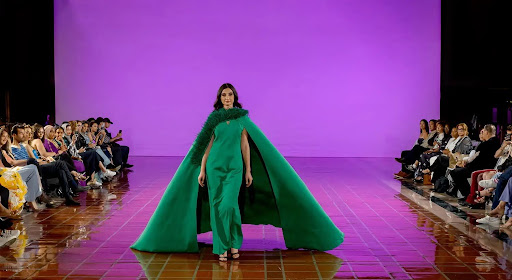
By introducing legitimate, ticketed access to runway shows such as VIP passes, curated seating, experiential dinners, it reframes Fashion Week as a cultural event rather than a private transaction. In doing so, it aligns fashion with how other creative industries already function: audiences participate, creators gain exposure, and the ecosystem sustains itself.
Access, here, is not dilution. It is currency.
The Economics of Opening the Door
The old model asked designers to absorb staggering costs in exchange for symbolic capital. The new one asks a different question: what if Fashion Week could generate real return?
Ticketed shows create a second revenue stream. Sponsors gain direct engagement with fashion-literate audiences. Designers debuting collections reach not just editors, but consumers who buy, share, and remember. The Bureau reports partnerships with thousands of brands, more than 100,000 ticketed guests, and triple-digit year-over-year revenue growth. These numbers matter not as bragging rights, but as proof of viability.
Resale, experience-driven spending, and live events now outpace traditional retail, making this model feel less like disruption and more like destiny.
Power, Rewritten Quietly
Leadership often reveals itself not through speeches, but through design choices. Brady King, the founder behind The Bureau, speaks less about disruption than recalibration.
“We didn’t set out to make Fashion Week louder,” he has said. “We set out to make it viable.”
Viability, in this case, means acknowledging demand rather than denying it. It means recognizing that the public’s desire to witness fashion’s rituals is not voyeurism, but participation in culture. And it means confronting the reality that traditional gatekeeping mechanisms preserved prestige—but often at the expense of scale, sustainability, and relevance.
“If fashion is culture,” King has argued, “then culture can’t live behind a locked door.”
What Inclusion Actually Looks Like
This is not about erasing hierarchy. There are still front rows and better seats. There is still curation, craft, and high production value. But the difference is philosophical: access is no longer granted by proximity to power alone.
For attendees, this means something quietly radical – the chance to sit in a room where fashion is happening, not being explained after the fact. For designers, it means exposure that extends beyond a single morning review. For the industry, it offers a path forward at a time when relevance must be earned, not assumed.
After the Velvet Rope
Fashion has always told stories about who we are and who we are allowed to become. When those stories are locked away, culture calcifies. When they are shared, culture moves.
The most elevated way to experience New York Fashion Week today is not through an invitation slipped under a hotel door, nor through borrowed proximity to power. It is through models like The Bureau Fashion Week, which recognize that fashion’s future depends on participation as much as prestige.
By opening the runway to a broader public without surrendering its standards, The Bureau advances a simple and overdue truth: that the next chapter of fashion belongs not only to those already inside, but to those finally allowed to enter, and see themselves reflected on the runway.